Basement Flooding in Northeast Ohio: The Biggest Causes and How to Prevent Them
What local homeowners need to know about preventing water damage before the next big storm.
A flooded basement can go from a minor inconvenience to a major home repair problem fast. In Northeast Ohio, basement flooding is especially common because homes often deal with heavy rain, saturated ground, aging drainage systems, freeze-thaw cycles, and dense clay-heavy soils that do not drain well. Poor drainage and heavy precipitation both increase the risk of indoor dampness, water intrusion, and mold-related problems.
For homeowners in communities like Macedonia, Hudson, Aurora, Twinsburg, Streetsboro, Chagrin Falls, and Brecksville, understanding what causes basement flooding is the first step toward preventing it. The good news is that many basement water issues can be reduced—or avoided entirely—with the right maintenance and a few smart upgrades.
Why Basement Flooding Is So Common in Northeast Ohio
Northeast Ohio homes face a combination of conditions that make basement moisture and flooding more likely than in many other parts of the country. One major issue is the region’s soil. Heavy clay soils tend to drain poorly, which means water can stay close to the foundation longer instead of moving away quickly.
Another factor is stormwater volume. When heavy rain falls in a short period or when snowmelt saturates the ground, the soil surrounding the basement walls becomes heavier and wetter, increasing pressure against the foundation. FEMA notes that saturated soil around basements contributes to flooding risk, while EPA notes that heavy precipitation can increase indoor dampness and building deterioration.
Older infrastructure can make things worse. Local sewer systems can be overwhelmed or affected by stormwater infiltration, which contributes to flooded basement issues in some communities. Cuyahoga County specifically notes efforts to reduce flooded basements by decreasing mainline blockage and stormwater infiltration into the sanitary system.
The Biggest Causes of Basement Flooding
1. Clogged or Faulty Gutters and Downspouts
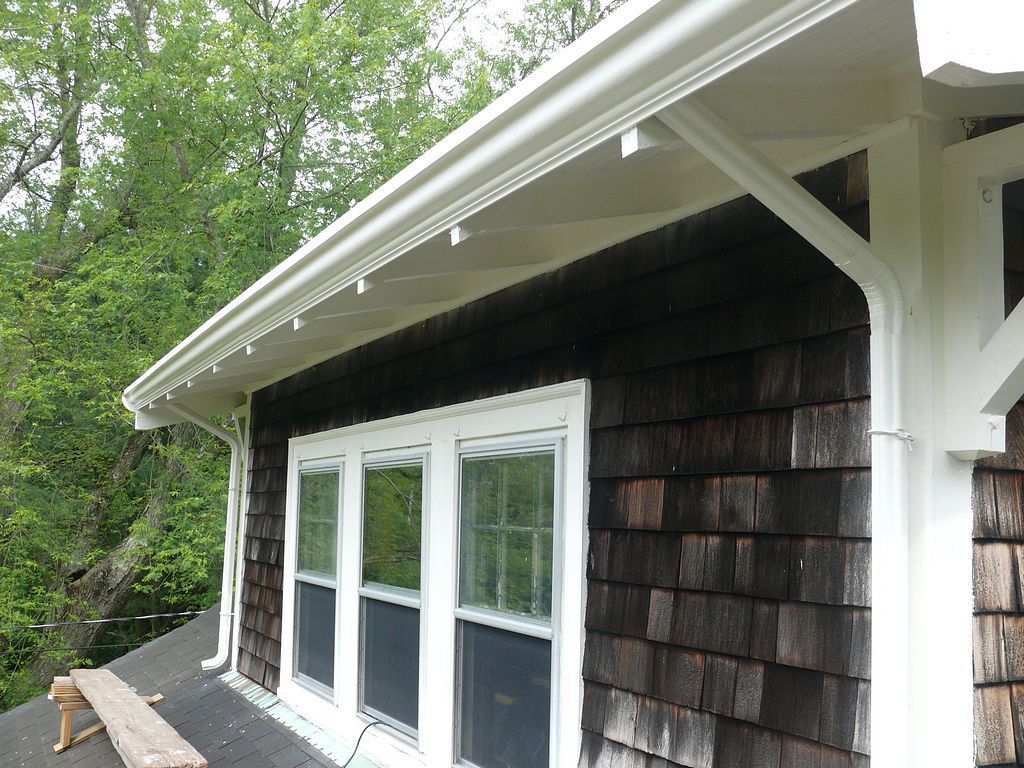
One of the most common causes of basement flooding starts at the roofline. If gutters are clogged with leaves or debris, rainwater can overflow and dump directly next to the foundation. Downspouts that discharge too close to the house can create the same problem.
In Northeast Ohio, where spring rains and fall leaf buildup are common, this issue shows up often. Water pooling around the foundation increases the chance of seepage through cracks, joints, or porous basement walls.
How to help prevent it:
- Clean gutters regularly
- Make sure downspouts direct water well away from the home
- Repair sagging, leaking, or disconnected gutter sections
- Check for water pooling after storms
2. Poor Yard Grading
If the soil around your home slopes toward the foundation instead of away from it, water will naturally collect around the basement walls. Over time, settling can change the grade around a home without the owner realizing it.
This is especially important in areas with dense soil and repeated wet-dry or freeze-thaw cycles, which can shift the landscape gradually. Water that sits near the home has more time to work its way inside.
How to help prevent it:
- Make sure the ground slopes away from the house
- Add soil where settling has created low spots near the foundation
- Watch for puddles near basement windows, steps, and entry points
- Consider professional regrading if drainage problems are severe
3. Sump Pump Failure
Many Northeast Ohio homes rely on sump pumps to move groundwater away from the basement. When the sump pump fails during a storm—because of age, a clog, a stuck float switch, or a power outage—the basement can flood quickly.
This problem often becomes obvious during the worst possible time: a major rain event when the system is under heavy demand.
How to help prevent it:
- Test your sump pump regularly
- Clean the sump pit and discharge line
- Replace aging pumps before they fail
- Install a battery backup or water-powered backup system
- Make sure the discharge line stays clear and drains away from the home
4. Foundation Cracks and Wall Seepage
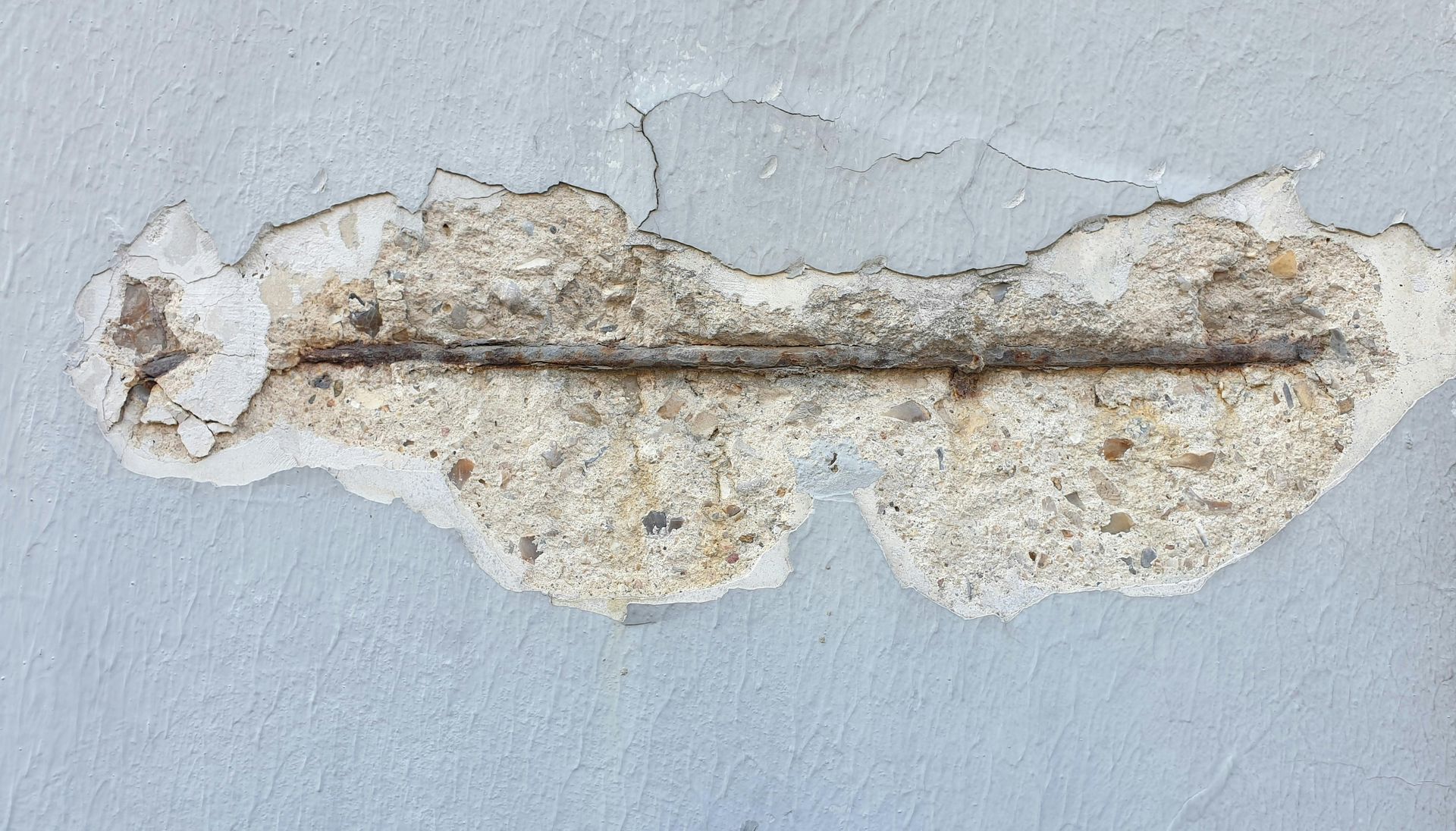
Basement walls and floors can develop cracks over time. Some cracks may look minor, but even small openings can allow water to enter when the surrounding soil is saturated.
Hydrostatic pressure—water pressure building up around the foundation—is a common reason water forces its way through cracks, cove joints, and porous masonry surfaces. When the ground remains wet after repeated storms, the risk goes up.
How to help prevent it:
- Inspect basement walls and floors for cracks
- Seal minor openings when appropriate
- Address recurring seepage with professional waterproofing
- Monitor for signs like peeling paint, musty odors, or efflorescence
5. Window Well Flooding
Homes with basement windows are often vulnerable when window wells fill with rainwater. If the well does not drain properly, water can push through the window frame or leak around it.
This is particularly common when leaves, mulch, or sediment clog the drain at the bottom of the window well.
How to help prevent it:
- Keep window wells clear of debris
- Check that drains are working properly
- Install or replace window well covers
- Make sure surrounding landscaping does not funnel water into the well
6. Sewer Backups
In some cases, the water entering a basement is not just stormwater—it may be sewage from a backup. This can happen when sewer lines are blocked, damaged, or overwhelmed during heavy rain events.
This is one of the most serious types of basement flooding because contaminated water creates health risks and requires professional cleanup and sanitizing. Local agencies in Northeast Ohio actively work to reduce flooded basements related to sewer system issues, which highlights how real this risk is in the region.
How to help prevent it:
- Never pour grease or debris down drains
- Have older sewer lines inspected
- Ask about backwater valve installation
- Address slow drains or recurring backups early
7. Frozen Ground and Rapid Snowmelt
Winter and early spring create another risk in Northeast Ohio. When the ground is frozen, melting snow or rain may not absorb well into the soil. Instead, the water can run toward the home and collect near the foundation.
This is one reason basement flooding sometimes happens even when rainfall totals do not seem extreme. The problem is not just how much water falls—it is where that water can go.
How to help prevent it:
- Keep snow piled away from the foundation when possible
- Clear drainage paths before thaw periods
- Check sump pumps before late winter and spring
- Watch for ice blockages near downspout exits
Warning Signs Your Basement May Be at Risk
Many homeowners notice warning signs before a major flooding event happens. Catching them early can save a lot of money and stress later.
Look for:
- Musty odors
- Damp walls or carpet
- Water stains on basement walls
- White chalky residue on masonry
- Rust on appliances or utilities
- Cracks in walls or floors
- Standing water near the foundation
- A sump pump that runs constantly or not at all
These signs often point to moisture intrusion that should be addressed before it turns into a bigger restoration issue.
How to Prevent Basement Flooding
Preventing basement flooding usually requires a layered approach. A single fix may help, but the best protection comes from improving how water is managed both outside and inside the home.
Focus on Exterior Water Control First
Most basement flooding starts with water collecting around the home. That is why exterior drainage improvements often make the biggest difference.
Helpful steps include:
- Keep gutters and downspouts working properly
- Extend downspouts away from the home
- Regrade areas that slope toward the foundation
- Keep drains, swales, and yard outlets clear
- Avoid overwatering landscaping near the house
Maintain Waterproofing and Drainage Systems
If your home already has a sump pump, drain tile, or waterproofing system, maintenance matters. These systems are only effective if they are functioning correctly when a storm hits.
Helpful steps include:
- Test the sump pump every few months
- Add a backup power source
- Inspect basement waterproofing for wear
- Make sure discharge lines remain open year-round
Fix Small Issues Before They Become Big Ones
Homeowners often wait until there is standing water in the basement before taking action. But smaller warning signs usually show up first. Addressing foundation cracks, damp corners, drainage issues, and plumbing leaks early can help you avoid major restoration work later.
What To Do If Your Basement Floods
If water enters your basement, safety comes first. Do not enter standing water if there is any chance of electrical hazards. If the flooding involves sewage, stay out of the area and call professionals immediately.
After the immediate danger is addressed, the next steps usually include:
- Stopping the source of water if possible
- Documenting the damage
- Removing standing water
- Drying the area quickly
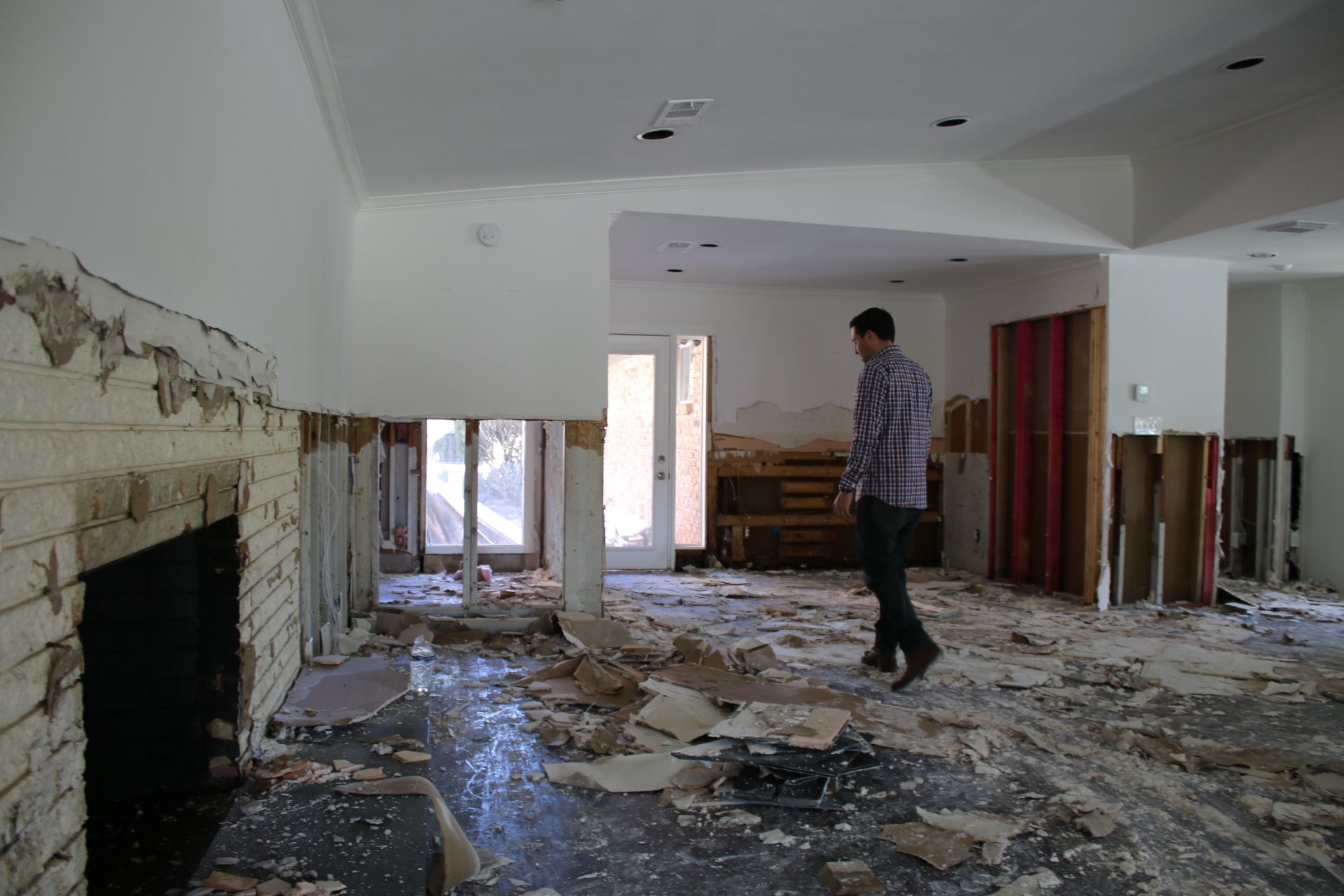
- Checking for hidden moisture in flooring, drywall, and insulation
- Cleaning and sanitizing affected materials
- Replacing damaged building materials when needed
Fast action matters because lingering moisture can lead to mold growth and structural damage.
When To Call a Professional
You should call a professional if:
- The basement has more than a small amount of water
- The flooding involves sewage or contaminated water
- Water soaked drywall, insulation, or flooring
- You notice recurring seepage after storms
- There is a strong musty odor or visible mold
- You are not sure whether the damage is fully dry
A professional restoration company can identify hidden moisture, prevent secondary damage, and help restore both the structure and the safety of the space.
Final Thoughts
Basement flooding in Northeast Ohio is often caused by a mix of local conditions and preventable home drainage problems. Heavy rain, poor grading, clay-heavy soils, sewer issues, sump pump failures, and foundation cracks can all play a role. The good news is that routine maintenance and early attention to warning signs can go a long way toward protecting your home.
For homeowners in Macedonia and surrounding Northeast Ohio communities, staying proactive is the best defense. Preventing water from reaching your basement is always easier—and less expensive—than dealing with restoration after a flood.